

All resources
Freight Claims Specialist – Physical Demands Assessments (PDAs)
Understand the physical, postural, sensory, psychological, and mental demands of freight claims specialist roles in trucking and logistics. This Physical Demands Assessment helps employers review essential job functions, claims review, claims processing, accident claim investigation, office and workstation demands, file-handling tasks, potential accommodations, and inclusive practices to support safer, more accessible workforce planning.
Flat Bed Driver – Physical Demands Assessments (PDAs)
Understand the physical, postural, sensory, and cognitive demands of professional flat bed driver roles in trucking and logistics. This Physical Demands Assessment helps employers review essential job functions, driving, cargo handling, securement tasks, strength requirements, mobility demands, licensing considerations, PPE, potential accommodations, and inclusive practices to support safer, more accessible workforce planning.
Driver Trainer – Physical Demands Assessments (PDAs)
Understand the physical, mobility, postural, sensory, and cognitive demands of professional driver trainer roles in trucking and logistics. This Physical Demands Assessment helps employers review essential job functions, classroom and in-vehicle training tasks, trainer licensing considerations, potential accommodations, and inclusive practices to support safer, more accessible workforce planning.
Dock Worker – Physical Demands Assessments (PDAs)
Understand the physical, mobility, postural, sensory, and cognitive demands of dock worker roles in trucking and logistics. This Physical Demands Assessment helps employers review essential job functions, freight-handling tasks, material-handling equipment use, strength requirements, ergonomic considerations, potential accommodations, and inclusive practices to support safer, more accessible workforce planning.
Dispatcher – Physical Demands Assessments (PDAs)
Understand the physical, postural, cognitive, and sensory demands of dispatcher roles in trucking and logistics. This Physical Demands Assessment helps employers review essential job functions, dispatch communication, customer service, workstation demands, information management tasks, potential accommodations, and inclusive practices to support safer, more accessible workforce planning.
Commercial Vehicle Operator – Physical Demands Assessments (PDAs)
Understand the physical demands of commercial vehicle operator / truck driver roles in trucking and logistics. This Physical Demands Assessment helps employers review essential job functions, strength requirements, mobility and postural demands, sensory and environmental conditions, commercial driver licensing considerations, and potential accommodations to support safer, more inclusive workforce practices.
Coach Mentor Assessor – Physical Demands Assessments (PDAs)
Understand the physical demands of coach, mentor, and assessor roles in trucking and logistics. This Physical Demands Assessment helps employers review essential job functions, strength requirements, mobility and postural demands, sensory and environmental conditions, commercial driver licensing considerations, and potential accommodations to support safer, more inclusive workforce practices.
Bulk Liquid Driver – Physical Demands Assessments (PDAs)
Understand the physical, postural, sensory, and cognitive demands of professional bulk liquid driver roles in trucking and logistics. This Physical Demands Assessment helps employers review essential job functions, driving, liquid cargo handling, hose and valve use, strength requirements, mobility demands, licensing considerations, PPE, potential accommodations, and inclusive practices to support safer, more accessible workforce planning.

Millennials Have Drive 2
Understand how millennials view trucking and logistics careers. This research report helps employers review millennial career expectations, industry perception challenges, talent pool opportunities, recruitment barriers, employer branding strategies, HR modernization, flexible work, compensation, wellness, mentoring, and social media tactics to attract and retain younger workers.
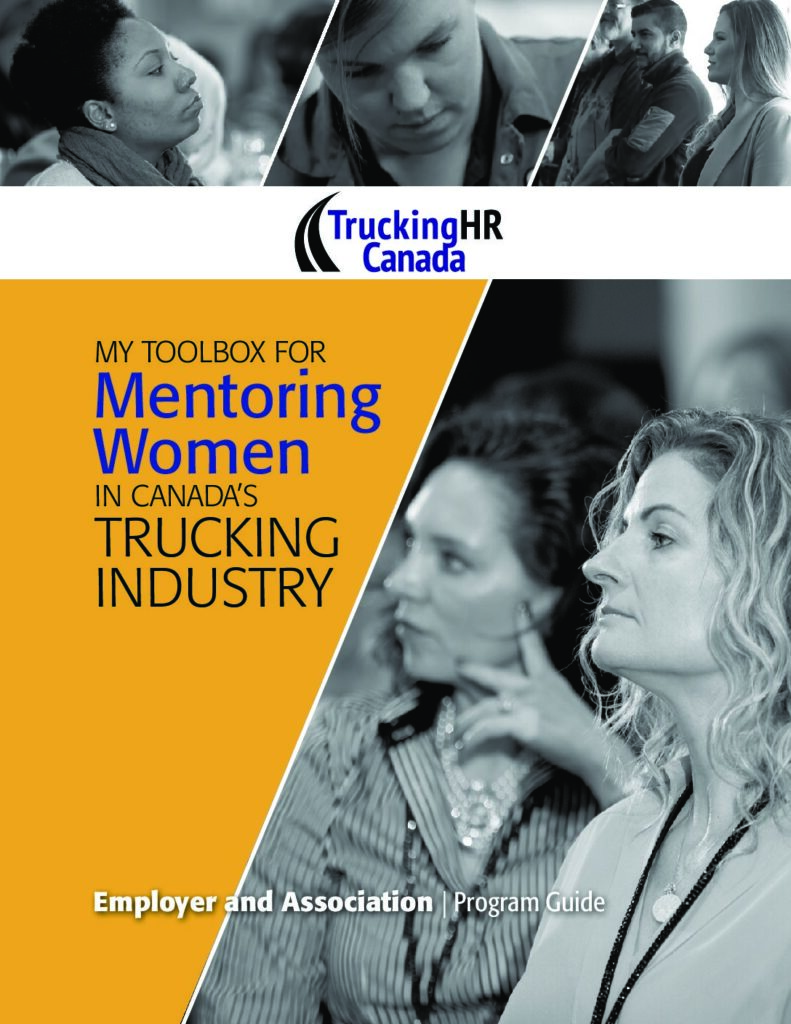
My Toolbox for Mentoring Women in Canada’s Trucking Industry: Employer & Association Guide
Build stronger mentoring pathways for women in trucking and logistics. This guide helps employers, associations, and industry organizations create mentoring programs using one-on-one mentorships, online peer networks, and local women’s events to support recruitment, retention, career growth, knowledge transfer, and inclusion.