



All resources

Checking Your Blind Spots: Identifying Gender Gaps in the Workplace
Identify gender gaps and turn insight into action. This toolkit helps trucking and logistics employers assess workplace gender equity through leadership discussion questions, a gender-focused SWOT analysis, employee survey questions, policy review guidance, and practical next steps to support women’s participation, safety, retention, and advancement.
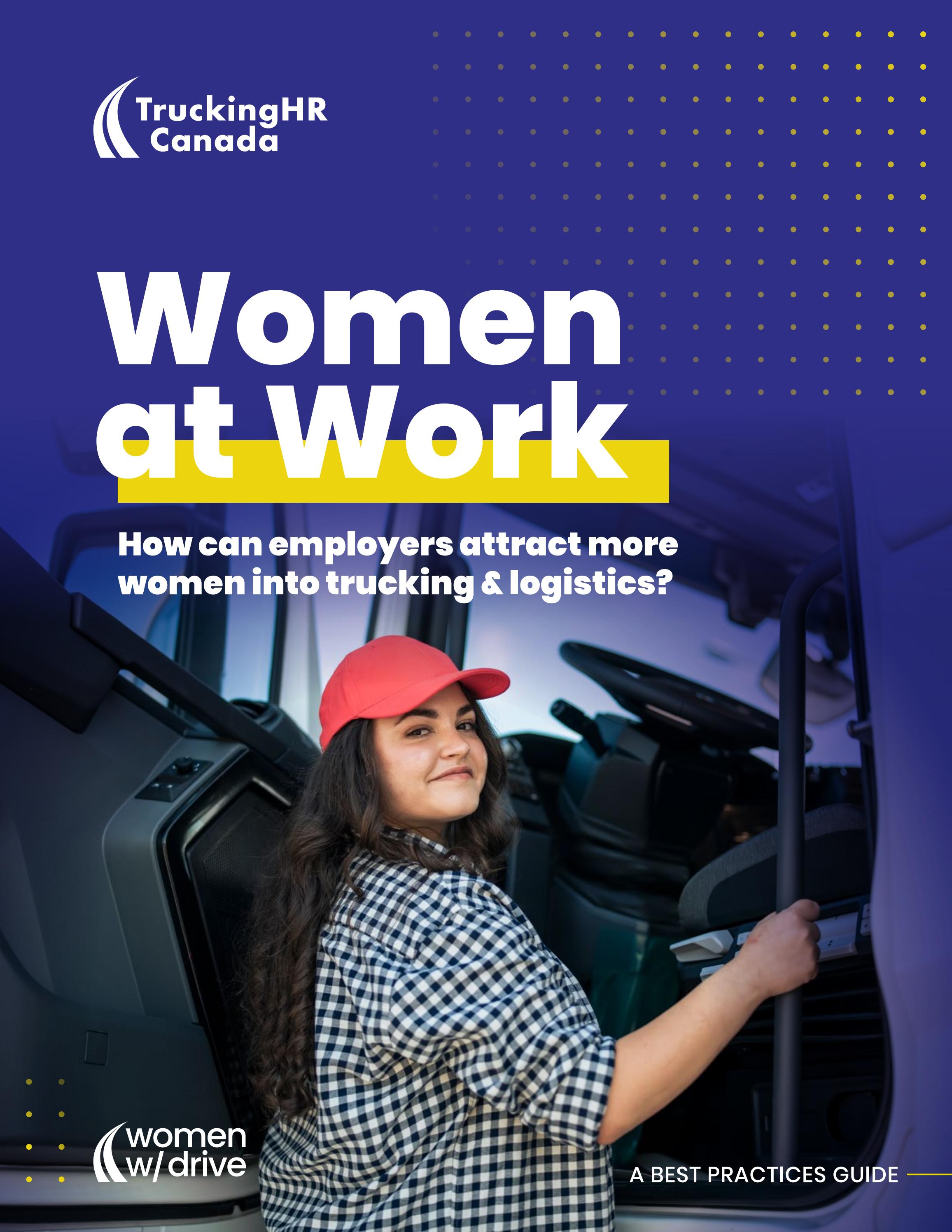
Women at Work: Best Practices Guide
Attract, hire, retain, and advance more women in trucking and logistics. This best practices guide helps employers assess gender gaps, strengthen recruitment and hiring, improve workplace safety, support retention, create career pathways, build mentorship opportunities, and foster a more inclusive
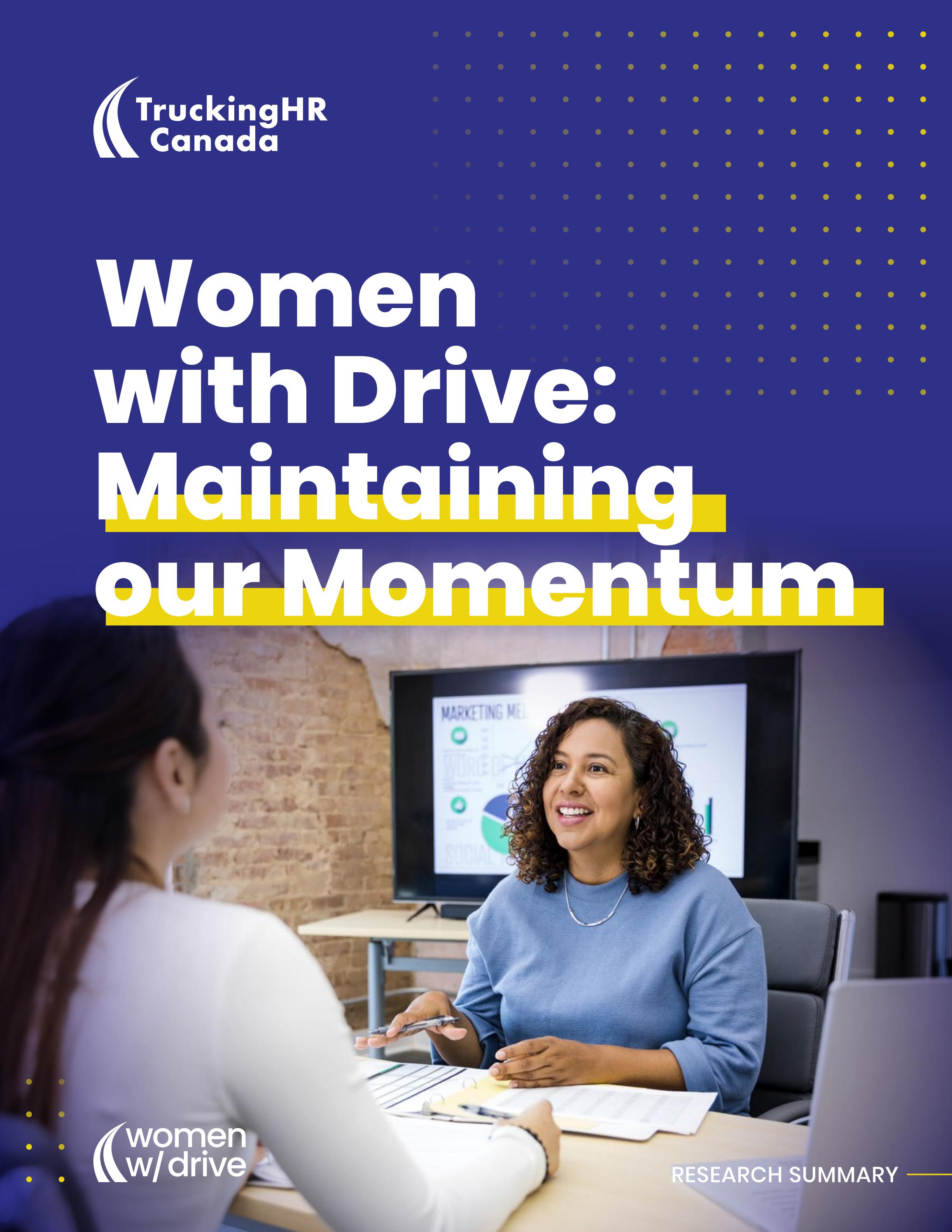
Women with Drive: Maintaining our Momentum
Understand what is driving women’s participation in trucking and logistics. This research summary explores labour market challenges, women’s workforce trends, career-seeking women’s perceptions, employer actions, safety and work-life balance concerns, industry image, mentorship, training, and opportunities to recruit, retain, and advance more women.
Truck Driver: Pay Categorization Guide
Classify truck driver pay with greater confidence for LEEP reporting. This guide helps federally regulated trucking and logistics employers understand how common driver compensation types, including mileage rates, premiums, incentives, waiting time, bonuses, overtime, and salary, may fit into WEIMS pay reporting categories.
National Occupational Classification: Mapping Guide
Simplify NOC code mapping for employment equity reporting. This guide helps federally regulated trucking and logistics employers identify appropriate National Occupational Classification codes for employee roles across senior management, operations, finance, sales and marketing, HR, planning and engineering, IT, legal, environment, and administration.
Narrative Report: Checklists and Best Practices Guide
Strengthen your Legislated Employment Equity Program Narrative Report. This guide helps federally regulated trucking and logistics employers understand what counts as an equity measure, how to describe results, who should contribute, and how to report actions across equity environment, promotion, accommodation, recruitment, communications, retention, and training.

Disabilities: Myths and Facts
Challenge common myths about hiring people with disabilities in trucking and logistics. This resource helps employers understand the facts about absenteeism, accommodation costs, supervision, retention, career development, and performance expectations, while encouraging inclusive hiring, meaningful employment opportunities, and stronger workforce participation for people with disabilities.

Talking about Disabilities
Promote respectful, inclusive language when talking about disabilities in trucking and logistics workplaces. This resource helps employers and employees understand person-first terminology, avoid harmful assumptions, use accessible language, refer to disability only when relevant, and create a more respectful workplace culture for people with disabilities.

Canada Labour Code Amendments – In Effect July 9th, 2023
Understand Canada Labour Code amendments that came into effect on July 9, 2023. This resource helps federally regulated trucking and logistics employers review requirements for work-related expense reimbursement, written employment statements, employee rights information, timelines, penalties, onboarding updates, and record retention.
Connector Tool
Connect with organizations and resources that support inclusive workplaces for people with disabilities. THRC’s Connector Tool helps trucking and logistics employers search by keyword, location, language, support type, and target audience to find information, training, funding, and job-seeker connection resources that can strengthen accessibility, inclusion, recruitment, and retention practices.